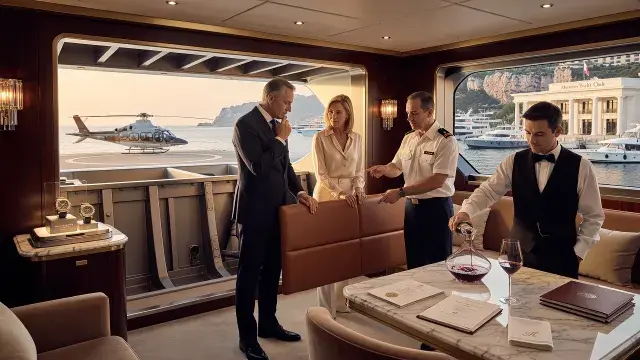
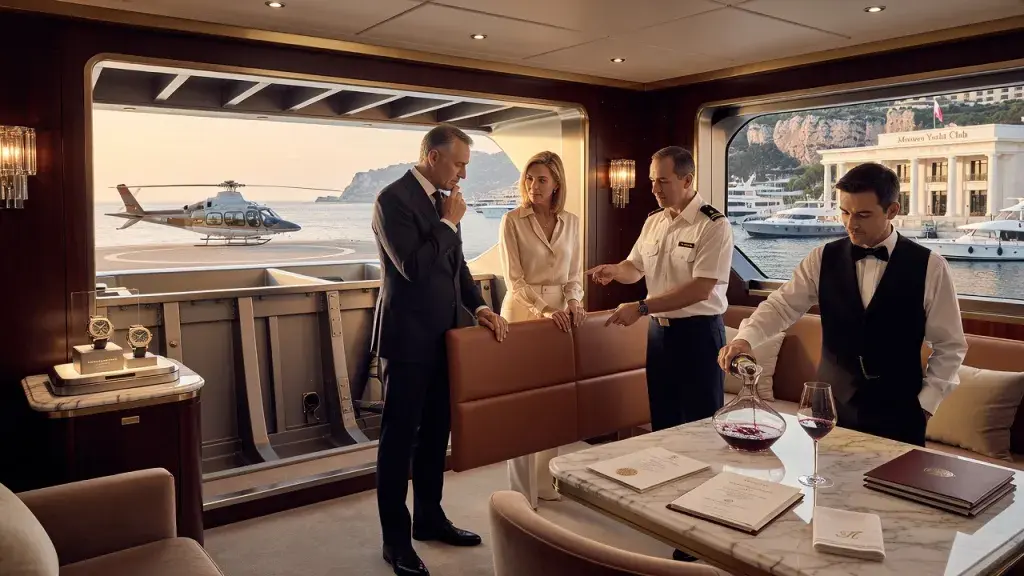
A yacht builder in Monaco once flew a single prospective buyer, his interior designer, and a marine engineer to a private dock for four hours - to look at a hull that wasn't finished yet. No brochure, no sales pitch, no crowd. That is the entire logic of high-net-worth product demonstrations: one person, total control, and a price tag that makes ordinary marketing math irrelevant.
The mechanics behind these presentations rarely surface in public conversation, yet they shape entire industries - private aviation, bespoke jewelry, ultra-premium automotive, exclusive real estate. A well-run super rich demo can influence a nine-figure decision in a single afternoon, and the people who design these encounters study behavioral psychology as closely as product engineering. Interestingly, the same appetite for exclusivity and curated spectacle shows up in unexpected corners of entertainment - the super rich demo available through certain premium gaming platforms borrows the same visual vocabulary of gold, velvet, and restrained opulence to signal status before a single feature is explained.
What follows is a close look at how these demonstrations are built, why they work on a psychological level, and what separates a forgettable pitch from one that closes a deal worth more than most companies. Anyone building a luxury brand prototype, or trying to understand why the ultra-wealthy respond to certain cues and not others, will find practical substance here rather than surface-level observation.
What Makes a Product Demo "High-Net-Worth"
Scale of wealth changes the entire calculus of persuasion. A demonstration aimed at someone with investable assets exceeding fifty million dollars cannot follow the same playbook as a retail launch event. The audience is smaller, the stakes per transaction are enormous, and the tolerance for anything resembling a generic sales pitch is close to zero.
Defining the Audience Segment
High-net-worth individuals, and especially the ultra-wealthy tier above them, operate with advisors, family offices, and gatekeepers who filter almost every commercial approach before it reaches the principal. A high-net-worth product demo has to clear that filter first, which means the invitation itself becomes part of the demonstration. Tone, exclusivity, and discretion matter before the product is even seen.
Why Standard Demo Formats Fail This Group
Trade show booths, mass email campaigns, and influencer unboxings signal accessibility - the opposite of what this audience associates with value. Wealthy buyers frequently equate scarcity with quality, so a format built for volume undermines the product before a word is spoken.
The Role of Privacy and Discretion
Confidentiality agreements, private venues, and controlled guest lists are not decorative touches. They protect reputations, prevent leaks of unreleased designs, and reinforce the sense that the buyer is being trusted with something not yet available to the public.
- Small, curated guest lists rather than open registration
- Non-disclosure agreements as a standard precondition
- Venues chosen for privacy rather than foot traffic
- Personalized invitations instead of mass outreach
The Anatomy of a Super Rich Demo
Every successful super rich demo follows a structure, even when it appears effortless. The apparent spontaneity is usually the result of meticulous planning designed to feel unscripted.
Setting: Where These Demonstrations Happen
Private estates, members-only clubs, penthouse suites, and chartered vessels dominate the venue list. Location communicates positioning before the product does - a demonstration held on a private island says something different than one held in a downtown office, regardless of what is being shown.
Pacing: Why Slower Is More Persuasive
Retail demos compress information into minutes because attention is scarce. Ultra-wealthy demonstration formats do the opposite - they stretch time deliberately, allowing the buyer to sit with the product, ask unhurried questions, and experience it without a countdown clock. That slowness itself becomes a luxury signal.
The Presenter's Role: Expert, Not Salesperson
The person conducting the demo is typically a designer, engineer, or founder - someone with technical authority rather than sales training. This choice matters because wealthy buyers respond to competence and craftsmanship, not persuasion tactics they can recognize from a mile away.
Ultra Wealthy Demonstration Techniques That Actually Work
Certain techniques recur across industries because they consistently move decisions forward with this audience.
Sensory Immersion Over Verbal Pitching
Letting a buyer touch hand-stitched leather, hear an engine idle, or feel the weight of a watch case does more than any spec sheet. The ultra-wealthy demonstration succeeds by engaging senses simultaneously rather than relying on a spoken narrative.
Personalization at the Point of Demonstration
Referencing a buyer's existing collection, prior purchases, or stated preferences during the presentation signals that the brand has done its homework. Generic pitches read as disrespectful at this level of spending.
Controlled Scarcity Within the Demo Itself
Showing a limited production run number, a waitlist, or a bespoke customization window creates urgency without resorting to pressure tactics. The scarcity is real, not manufactured, which preserves credibility.
Third-Party Validation Without Overt Advertising
A quiet mention that a respected collector or industry figure already owns the piece carries more weight than any advertisement. This validation works because it appears incidental rather than staged.
Affluent Lifestyle Showcase: Beyond the Product Itself
Many of these events stop being product demonstrations at all and become something closer to an affluent lifestyle showcase - an experience designed around the product rather than a presentation of the product alone.
Curating the Full Sensory Environment
Lighting, scent, music selection, and even the temperature of a room are calibrated. Nothing is left to chance because every element either reinforces or undermines the perceived value of what is being shown.
Food, Hospitality, and Guest Experience
A private chef, a sommelier, or a curated tasting menu often frames the actual product reveal. These additions are not indulgences - they extend the demonstration's emotional register and make the entire visit memorable independent of a purchase decision.
Integrating Complementary Luxury Brands
Cross-brand collaborations - a car manufacturer partnering with a watchmaker for a joint reveal, for instance - expand the perceived ecosystem the buyer is entering. This tactic reinforces belonging to a broader tier of taste and status rather than a single purchase.
Designing a Luxury Brand Prototype for Presentation
The prototype shown in these settings is rarely the final production unit. It is built specifically to perform well under intense, close-range scrutiny.
Prototype Fidelity: How Close to Final Is Close Enough
Materials, weight distribution, and finish quality need to match or exceed what the final product will deliver, because any perceptible gap damages trust immediately. A luxury brand prototype shown to this audience must survive handling, not just viewing from a distance.
Handling Buyer Scrutiny and Technical Questions
Wealthy buyers, particularly those from finance, engineering, or entrepreneurial backgrounds, ask detailed technical questions. The team presenting the prototype needs genuine expertise on hand, not rehearsed talking points that collapse under a follow-up question.
Iterating Based on Direct Buyer Feedback
Because the buyer pool is small, feedback from a single high-net-worth product demo can directly influence final design decisions. This creates a feedback loop unavailable in mass-market development, where the customer voice is aggregated rather than individual.
Measuring Success: What "Effective" Means at This Level
Conversion metrics from mass marketing do not translate cleanly to this world. A single meeting either closes an extraordinary sale or opens a relationship worth pursuing for years.
Relationship Value Over Immediate Sale
Many demonstrations are not designed to close on the spot. They exist to build trust with someone who may purchase repeatedly over a decade, referring an entire social circle in the process.
Referral and Reputation Effects
Ultra-wealthy circles are smaller and more interconnected than they appear. A single satisfied buyer who felt genuinely respected during a demonstration often becomes the most effective sales channel a brand will ever have.
Long-Term Brand Positioning
Every demonstration either reinforces or erodes a brand's standing among people who talk to each other constantly. Consistency across every high-net-worth product demo matters more than any single event's outcome.
Frequently Asked Questions
How is a demonstration for ultra-wealthy clients different from a standard VIP event?
Standard VIP events still involve groups and predetermined schedules, while an ultra wealthy demonstration is typically one-on-one or limited to a very small party, built entirely around a single buyer's schedule and preferences rather than a fixed agenda.
Do brands lose money running these exclusive demonstrations?
The direct cost per event is high, but the potential transaction value and long-term client relationship usually justify it many times over, especially in industries like yachting, private aviation, and fine jewelry where a single sale can fund years of relationship-building.
What industries rely most heavily on this demonstration format?
Private aviation, luxury real estate, high jewelry, bespoke automotive, and fine watchmaking use this approach most consistently, since their products require physical inspection and carry price points that justify individualized attention.
Can smaller or newer luxury brands realistically use this approach?
Yes, provided they scale the format to their resources - a smaller brand can still offer a private, unhurried, highly personalized presentation without the budget of an established house, as long as discretion and craftsmanship remain central.
Why do these demonstrations often include unrelated luxury experiences like fine dining?
Surrounding a product reveal with a broader affluent lifestyle showcase extends the emotional impression of the visit and associates the product with an entire tier of taste, not just its own functional features.
How do brands protect unreleased prototypes shown during private demos?
Non-disclosure agreements, restricted photography, controlled guest lists, and secure private venues are standard practice, since a leaked luxury brand prototype can damage a planned launch or competitive advantage.